

Stinging Insects
A stinging insect is an insect that has the ability to inject venom into its prey or a perceived threat using a stinger. Stinging insects belong to various insect groups, including bees, wasps, hornets, and ants. These insects use their stingers as a defense mechanism or to subdue prey.
When dealing with stinging insects, especially if you or someone in your household has a known allergy, it is crucial to contact a professional pest control service. Professionals have the expertise, protective gear, and appropriate treatments to safely remove nests and address infestations, minimizing the risk of painful or dangerous stings.
Wasps: Wasps are flying insects that are closely related to bees. Unlike bees, most wasps can sting multiple times without dying. They are known for their paper-like nests and can be aggressive when their nests are disturbed.
Bald-faced Hornets: Despite their name, bald-faced hornets are actually a type of large, aggressive yellowjacket. They are easily identified by their mostly black bodies and distinctive white or pale markings on their faces. These hornets construct large, papery, aerial nests, often found hanging from trees, shrubs, utility poles, or the eaves of buildings. While they are beneficial predators of other insects, their aggressive nature and tendency to defend their nests make them a significant threat.
Ants: Some species of ants have stingers that they use to defend their colonies or subdue prey. Ant stings can be painful and may cause allergic reactions in some individuals.
Paper Wasps: Paper wasps are also social insects that build distinctive umbrella-shaped nests made of a paper-like substance, typically found hanging under eaves, porch ceilings, or in other sheltered areas. They are generally less aggressive than yellowjackets or bald-faced hornets unless their nest is directly threatened. Their bodies are typically slender, with a narrow waist, and they often have a brown or black color with yellow markings.
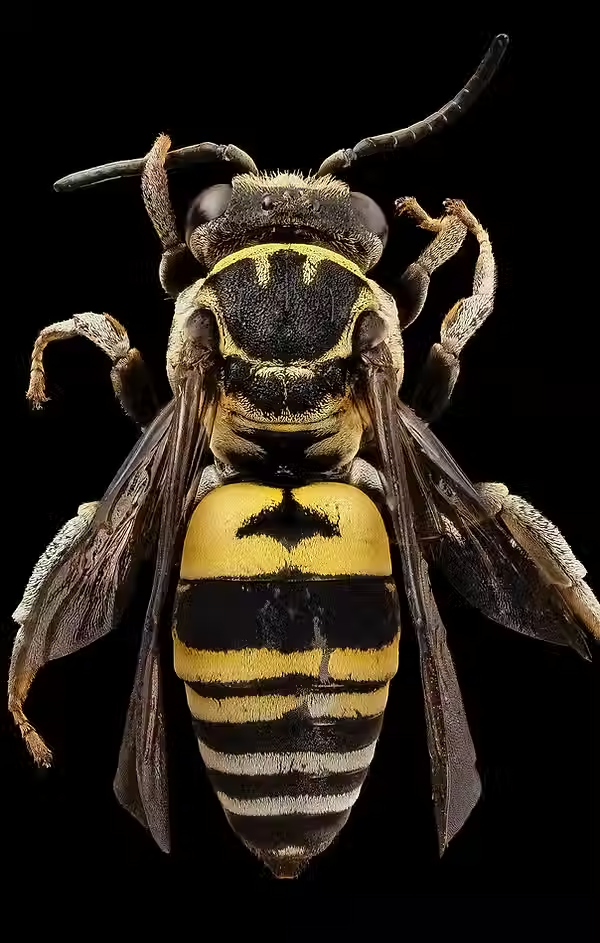
Yellowjackets: These are perhaps the most commonly encountered stinging insects. They are social wasps, meaning they live in colonies with a queen and workers. Yellowjackets typically have a black and yellow color pattern and are aggressive, especially when their nests are disturbed. Their nests can be found in a variety of locations, including underground (often in abandoned rodent burrows), in wall voids, or hanging in open areas from structures like soffits, eaves, or trees. They are known to prey on other insects but are also attracted to human food and sweet beverages, making them a nuisance at outdoor gatherings.